“Alice felt dreadfully puzzled. The Hatter’s remark seemed to have no sort of meaning in it, and yet it was certainly English.”
Alice’s Adventures in Wonderland, Chapter VII. A Mad Tea-Party
As I’ve observed before, education isn’t a common topic here though I have been a teacher for more than sixteen years. The last time I wrote directly on the topic was almost two years ago. The post today will be somewhat related to one I have written previously. Before getting to it, I just thought I’d add that I have had an interesting (though not financially lucrative) career in education. Unlike many teachers, I’ve done almost every type of job there is to do at a school because I’ve worked at two small schools where everyone needs to put in a bit extra to keep things working. So I’ve not just focused on one area of teaching and have experience teaching toddlers, adults and all years in-between. I’ve also taught in multiple subject areas including ones I don’t really have the specialty to be teaching. As well as this, I’ve done all sorts of other jobs in schools including leadership, administration, disability support, IT, event management and even smaller jobs like fixing the photocopier and changing light bulbs. I think this experience gives me a somewhat unique understanding of how schools function.
And as I understand how they function, I can see that with competent staff, they work quite well without external bureaucracies, standards and other forms of outside interference. That is outside of the parents themselves which is the one group the education establishment around the world seems to believe should be mostly excluded. However, compliance with government standards in many areas is now a condition of running a school in Australia even if they could do without the tax dollars every Australian child is entitled to. One of these areas of compliance is Australia’s National Curriculum.
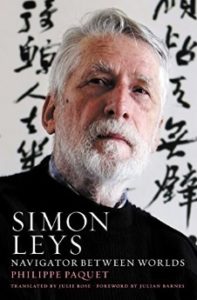 Simon Leys: Navigator between Worlds by Philippe Paquet (translated by Julie Rose), La Trobe University Press, September 18th, 2017